

For product development in 2026, recent wax innovations offer a practical lesson: material selection should consider application performance, environmental data and supply reliability together. For plastics, coatings and adhesive manufacturers, the priority is finding grades that fit actual formulations and processing conditions.
Lower-carbon development is one area to watch. In 2025, Sasol introduced two micronized wax grades with a reported product carbon footprint 32% below their respective existing counterparts. This example shows how production improvements can support emissions reductions, while highlighting the importance of product-specific data and clearly defined comparisons.
Performance matching remains central to industrial applications. Polyethylene wax can serve as a processing aid in masterbatch production, helping disperse pigments and fillers and adjust mixture viscosity. Grade selection should consider softening point, melt viscosity, dosage and compatibility with the carrier resin.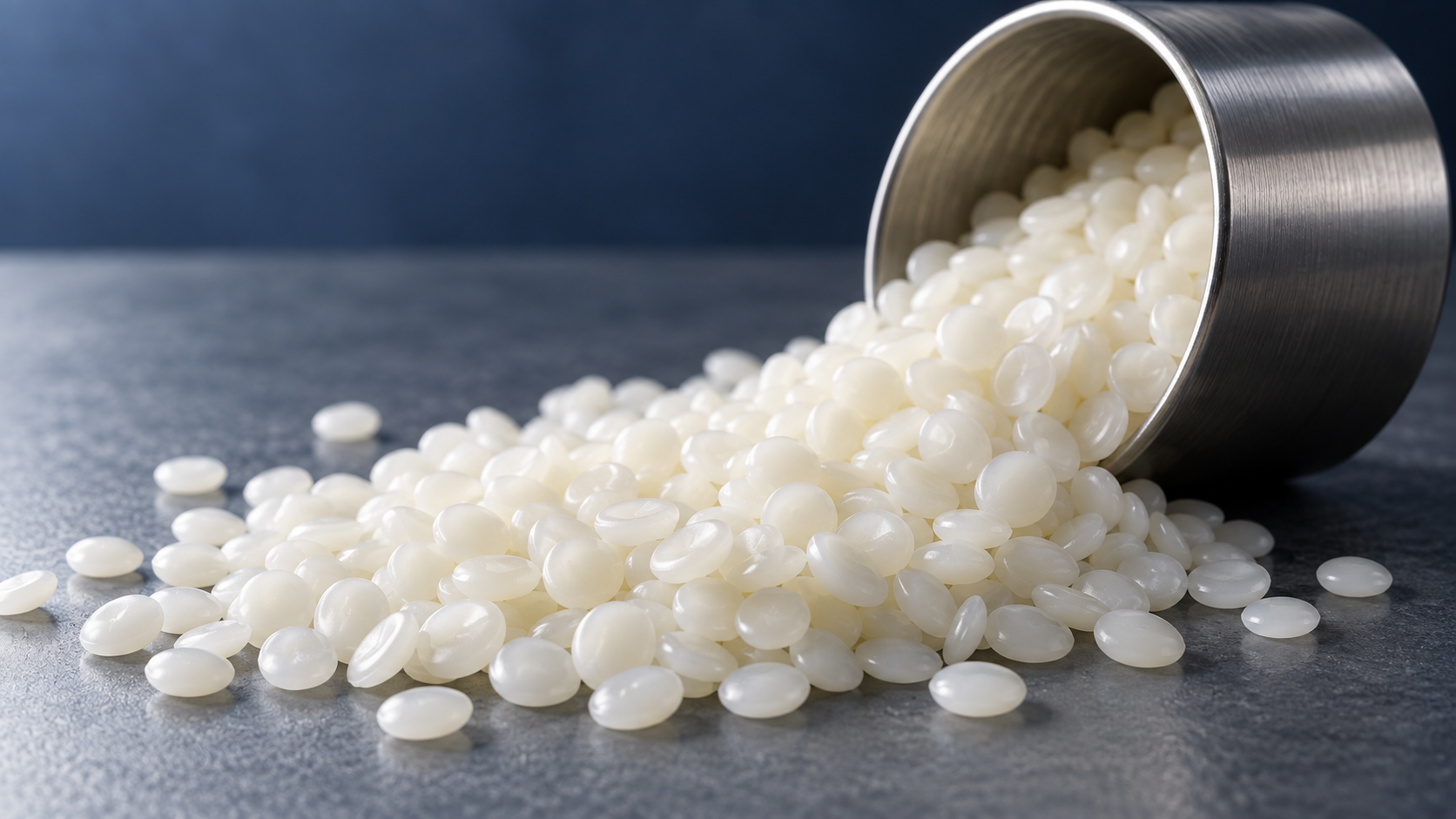
Fischer-Tropsch wax provides another option for formulations requiring high hardness and low melt viscosity. In PVC processing and hot-melt adhesives, wax selection can influence lubrication, processing flow and setting behavior. These effects should be confirmed through trials in the intended formulation.
Supply management also requires practical attention. Purchasing assessments should cover batch consistency, technical documentation, lead times and packaging conditions. Alternative grades should be qualified in advance to reduce disruption and formulation adjustments when materials change.
For industrial users, sustainability improvements can also begin on the production line. A suitable wax formulation may help reduce rejected material, stabilize processing or lower energy consumption per unit of acceptable output. Such benefits should be measured under actual operating conditions.
FAER WAX offers polyethylene wax, Fischer-Tropsch wax and related industrial wax products. Explore our hot-melt adhesive applications to evaluate material options against your formulation needs, target properties and processing conditions. A clear application brief provides a useful starting point for comparing grades and planning sample trials.
Post time: Sep-20-2026